High Fever
Quick Answer
A fever is a body temperature above the typical range — most commonly defined as 100.4°F (38°C) or higher — and it is the body's natural response to fighting infection, not the enemy itself.
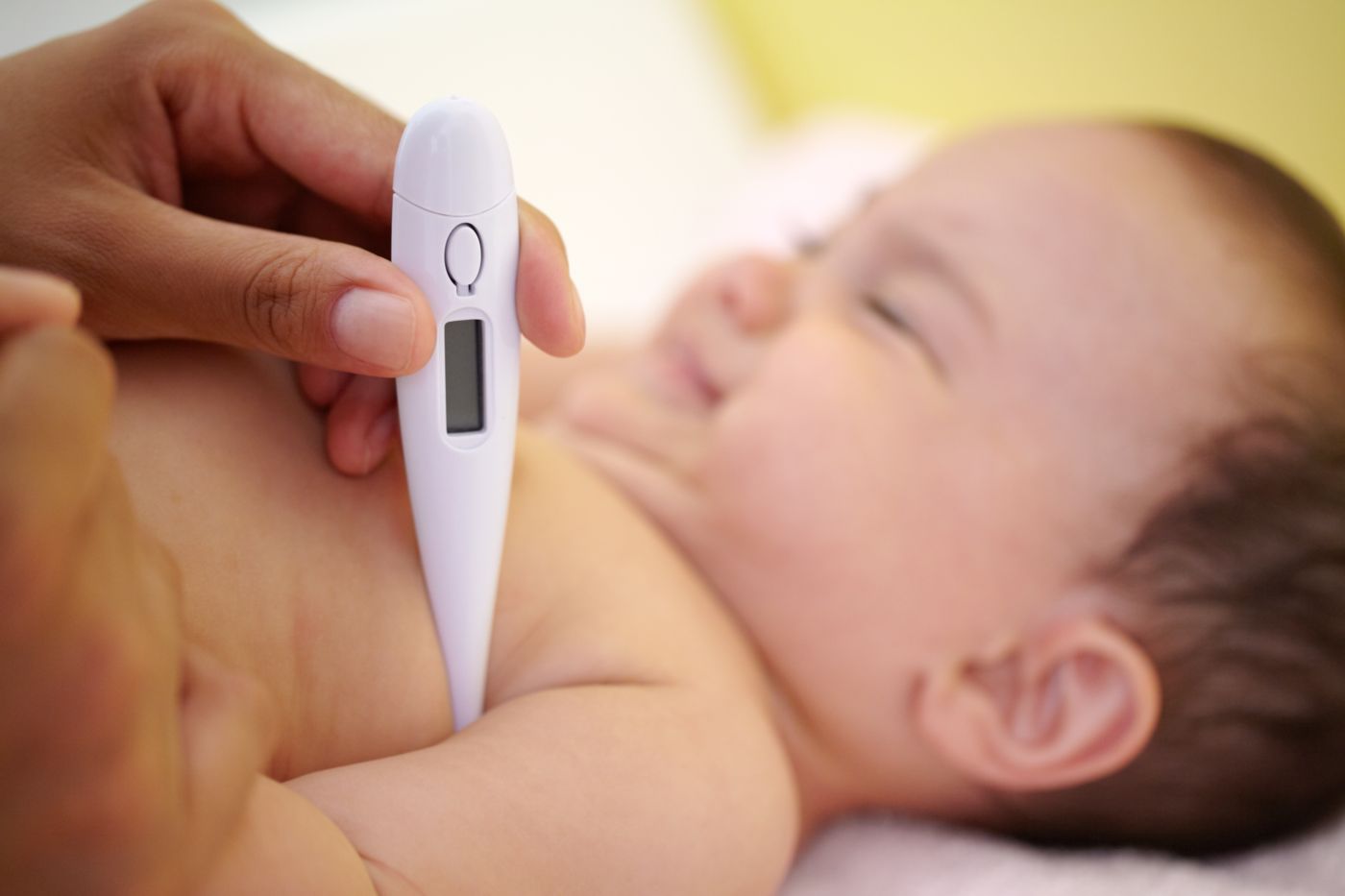
Child with high fever being comforted
What Does a High Fever Look Like in a Baby or Toddler?
- The child feels warm or hot to the touch, especially on the forehead, neck, or back
- The child may seem more tired, fussy, or clingy than usual
- Eating and drinking may decrease during a fever
- The child may shiver or have cold hands and feet even while the temperature is elevated
- Sleep may be more restless than usual
- The face may appear flushed or red, or the child may look pale
Why Does High Fever in Infants Matter?
- Fever is one of the body's primary defenses against infection — it creates an environment that is less hospitable to many bacteria and viruses
- How the child looks and acts is generally more informative than the number on the thermometer — a child with 103°F who is playing and drinking is usually in a different category than one with 101°F who is limp
- In babies under 3 months, any fever of 100.4°F or above is taken very seriously regardless of how the baby looks
This guide does not determine when it is safe to stay home.
When Should I Be Worried About My Baby's High Fever?
These are visual patterns that may deserve closer attention. This is for education only — not a diagnostic guide.
- Any fever in a baby under 3 months old (100.4°F or above)
- A fever that lasts more than 5 days in a child of any age
- A child who becomes very difficult to wake up or is unusually limp and unresponsive
- A rash that appears during or after a fever — especially spots that do not fade when pressed
- Signs of dehydration such as no tears when crying, dry mouth, or no wet diapers for 8 or more hours
In very young babies and young children, any fever is a reason many parents contact their pediatrician right away. In older children, the number on the thermometer matters less than how the child appears — a child who is drinking, making eye contact, and responding normally during a fever is in a different category from one who appears limp or very unwell.
Knowledge Check
A 10-month-old has a temperature of 103.5°F. She is cranky but is playing with a toy and drinking from her sippy cup.
According to AAP guidance, what is the best indicator of how sick a child with fever actually is?
A parent calls their pediatrician about their 6-week-old baby who has a temperature of 100.8°F taken rectally. The baby is sleeping more than usual.
Why is a fever in a baby under 3 months approached differently?
A parent gives their 2-year-old a dose of ibuprofen for a 102°F fever. An hour later the temperature is 101°F and the child is more comfortable.
What is the realistic expected effect of fever medicine on the temperature number?
Medical References
PediaPulse content is designed and authored by board-certified pediatricians (FAAP). All pages are educational in nature and do not constitute medical advice, diagnosis, or treatment. Always consult your child's physician.